Seasonal Wreath Embroidery Design
A Designer’s Real-World Test Before the First Customer Order
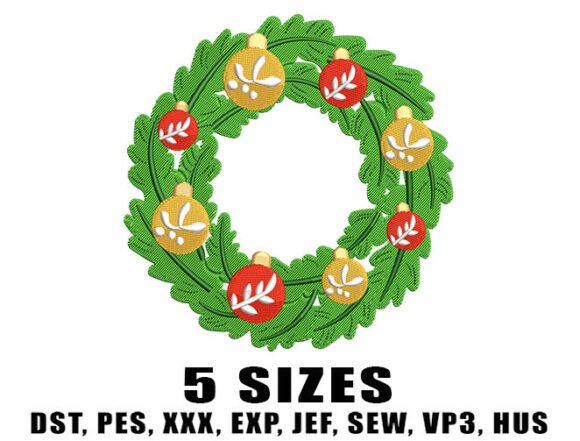
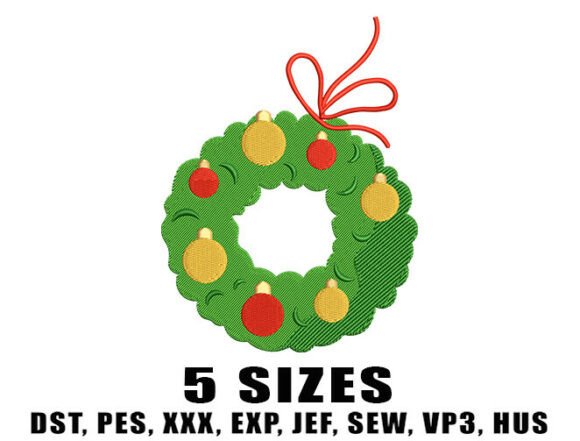
As an embroidery designer who’s shipped over 3,000 custom holiday gifts—from baby blankets stitched with tiny wreaths to wedding keepsake pillow covers—I opened the Seasonal Wreath Embroidery Design file with quiet anticipation. Not just for its festive charm, but for how it would translate into a meaningful, sellable personalized gift. This isn’t just another Christmas motif—it’s a round green wreath adorned with red and gold ornaments and a soft, dimensional bow. From the first glance at the preview, it felt elegant yet approachable, seasonal without being cliché, and unmistakably handmade in spirit—even as a digital embroidery file.
Why This Wreath Wins Hearts (and Orders)
The emotional pull is immediate: warmth, tradition, quiet celebration. It doesn’t shout “Christmas!”—it whispers “thoughtful care.” That makes it ideal for customers seeking understated sophistication—new parents choosing nursery decor, couples commissioning wedding guest book covers, or small shop owners curating curated holiday collections. Its balanced composition means it reads beautifully at both 3 inches (on a linen apron) and 8 inches (centered on a wool-blend blanket). And because it’s offered in five sizes, scaling isn’t guesswork—it’s intentional versatility.
Where It Shines Across Your Product Line
- Baby embroidery: Stitched on organic cotton swaddle blankets or muslin bibs, the wreath feels gentle and timeless—not overly themed, so it stays relevant beyond the holiday season.
- Wedding gift: On ivory linen pillow covers or monogrammed hand towels, it adds seasonal grace without competing with names or dates.
- Personalized towel & kitchen goods: Works exceptionally well on medium-weight terry or waffle weave—just avoid the thickest bath towels where detail may blur.
- Nursery decor & tote bags: The clean circular shape frames beautifully on canvas totes or framed hoop art, especially when paired with subtle thread colors like moss green, cranberry, and antique gold.
- Etsy seller & craft fair appeal: Customers instantly recognize its handmade quality—even as a digital embroidery file, it photographs well and invites storytelling in listings (“stitched with love for your first holiday together”).
Where to Use It Thoughtfully (Not Everywhere)
This design is generous—but not magic. As a working embroiderer, I always ask: *Where could this beautiful wreath lose its charm?* Here’s what I watched for:
- Stretchy fabrics: Avoid direct use on knits or baby onesies unless stabilized heavily—and even then, test first. The wreath’s symmetry can warp on uncooperative fabric.
- Textured or napped surfaces: Fleece, velveteen, or heavy bouclé can swallow fine ornament details. Opt for smoother weaves like cotton poplin, linen-cotton blends, or quilting weight.
- Dark fabric + light thread: That festive gold bow won’t pop on navy or charcoal without metallic thread or careful underlay. Always run a printable mockup or stitch sample.
- Frequent-wash items: For embroidered dish towels or baby blankets, confirm your thread colors are colorfast—and consider slightly higher stitch density for durability (though don’t overdo it; too much density stiffens the fabric).
- Curved surfaces: Skip mugs, curved ornaments, or rounded pillow inserts. This is a flat-surface machine embroidery design built for stability and clarity.
How It Elevates Your Brand & Buyer Trust
In a crowded marketplace, perceived value isn’t just about price—it’s about confidence. When a customer sees the Seasonal Wreath Embroidery Design rendered crisply on a linen tea towel in your Etsy listing, they don’t just see stitching—they see intention, skill, and care. That translates directly to trust. It signals you’re not slapping on clipart; you’re offering a considered handmade product. Photograph it well—natural light, neutral background, fabric texture visible—and pair it with warm copy: “Embroidered just for you, with heirloom attention to every loop and leaf.” That emotional connection boosts engagement, repeat orders, and word-of-mouth referrals.
Practical Notes Every Embroiderer Should Run First
Before stitching your first client order—or listing your first small shop product—here’s my checklist, refined over years of holiday deadlines:
- Test on scrap fabric that matches your intended product (e.g., terry cloth for towels, cotton sateen for pillow covers).
- Confirm hoop size compatibility—especially for the largest version. Don’t assume your 5x7 hoop fits the 8-inch wreath.
- Review stitch density: Is it balanced? Too sparse = fragile; too dense = stiff and puckered. Adjust if needed, but preserve the bow’s softness.
- Choose stabilizer wisely: Tear-away for stable wovens, cut-away for knits or lightweight linens, and water-soluble for delicate tops like napkins.
- Compare thread color contrast on both light and dark fabric swatches—red against black behaves very differently than against cream.
- Inspect small details post-stitch: Are ornament highlights crisp? Does the bow’s knot read clearly? Trim stray threads gently.
- Verify commercial licensing before selling finished products. Since this is positioned as a digital embroidery file for crafters and sellers, confirm usage rights align with your business model.
A Final Thought for Makers & Sellers
The Seasonal Wreath Embroidery Design isn’t just another holiday file—it’s a quiet invitation to slow down and create something that matters. Whether stitched onto a newborn’s first blanket or a couple’s first shared kitchen towel, it carries the weight of presence, not just decoration. For Etsy sellers, wedding gift designers, and small business owners, it’s a versatile, emotionally resonant anchor in your holiday collection. Just remember: great personalization starts not with the design alone—but with how thoughtfully you bring it to life. Test. Refine. Then stitch with confidence.