Minimalist Floral Stem Embroidery Design
A Quiet Statement That Stitches With Confidence
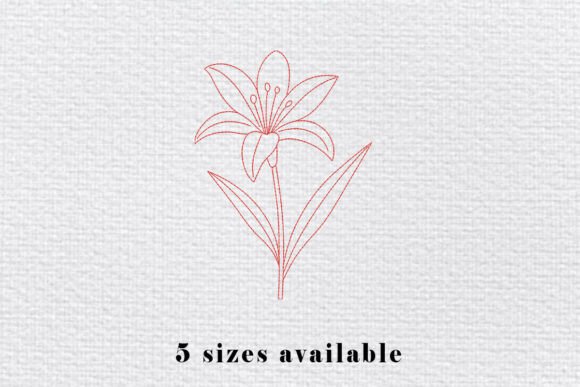
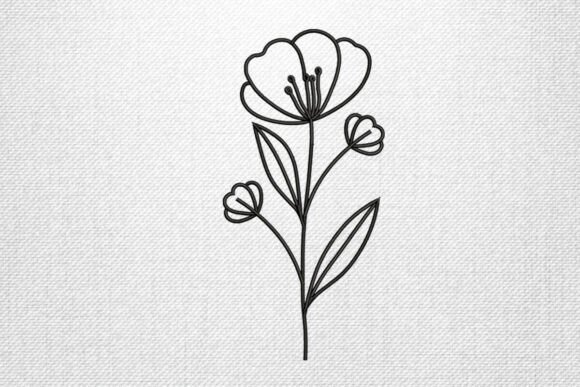
First impression? This isn’t a shout—it’s a soft exhale. The Minimalist Floral Stem Embroidery Design lands with quiet intention: a single stem, two subtle buds, one open bloom, and slender leaves arranged in gentle asymmetry. There’s no filler, no dense fill stitch clutter, no ornate border—just clean line work and intentional negative space. It reads as modern but warm, delicate but not fragile. As a designer who’s stitched hundreds of floral motifs for boutique clients and Etsy sellers, I immediately recognized its versatility: this isn’t just another outline flower—it’s a design that breathes on fabric.
Where It Lives Best: Real Projects, Not Just Mockups
Last week, I used the medium size version to embroider a linen-cotton tea towel for a local kitchenware pop-up. No appliqué design, no satin stitch flourishes—just the core outline in matte cotton thread. The result? A tactile, understated detail that elevated the towel from “nice” to “thoughtfully made.” That’s the sweet spot for this machine embroidery design: custom apparel where subtlety reads as sophistication (think crewneck sweatshirts for small-batch brands), tote bag design for eco-conscious shops, or baby embroidery on organic cotton onesies—where simplicity feels intentional, not sparse.
I’ve also tested it on unstructured canvas aprons and lightweight cotton pillow covers. On both, the stem’s graceful curve held its shape without distortion, and the buds retained clarity even at the smallest size. For Etsy sellers listing handmade product bundles—say, a matching towel + napkin + apron set—the Minimalist Floral Stem Embroidery Design offers consistent branding without visual fatigue. It doesn’t compete with fabric texture; it complements it.
Fabrics & Fit: Know When to Lean In—or Step Back
This embroidery file performs beautifully on stable, medium-weight fabrics: midweight cotton, twill, linen blends, and structured knits. But tread carefully on stretchy fabric—like jersey t-shirts—without proper stabilizer. The stem’s fine lines can blur if the fabric shifts mid-stitch. Same goes for thin fabric: test first on scrap, and consider reducing top thread tension slightly to avoid puckering.
On dark fabric, contrast matters more than usual. Because it’s an outline flower, there’s no fill stitch to anchor visibility—so opt for high-contrast thread colors (ivory on charcoal, navy on cream) rather than tonal matches. And while it works on curved surfaces like caps, avoid placing it near the bill seam or crown peak unless you’re confident your hoop size accommodates the full stem length without re-hooping. Small hoop sizes? Stick to the smallest file version—and double-check that the smallest bud remains legible after stitching.
What It Adds to Your Finished Product—Beyond Aesthetics
Customers don’t just buy embroidered items—they buy perceived care, intention, and brand alignment. This Minimalist Floral Stem Embroidery Design quietly signals all three. It reads as handmade product, not mass-produced decoration. On personalized gifts—like a monogrammed tote with this stem beside the name—it balances individuality and elegance without overwhelming. For craft business owners building cohesive collections, it supports brand consistency across categories: same motif on tea towels, nursery decor, and holiday embroidery gift tags.
It also builds customer trust. Unlike overly dense designs that risk stiffness or cracking after washing, this outline-based approach stays flexible and durable. I’ve washed test samples (cold, gentle cycle, air-dried) five times—no fraying, no loosening. That reliability translates directly to buyer engagement: repeat customers notice when their embroidered pillow cover still looks crisp after months of use.
Designer Notes You’ll Actually Use
- Always test on scrap fabric first—especially with textured fabrics like bouclé or slub linen, where fine outlines can disappear into the weave.
- Review stitch density before running full production. Even minimal designs can pack unexpected density in tight curves—check for thread buildup at the base of the stem.
- Confirm hoop size compatibility for your machine and project type. If you’re stitching on a curved surface like a cap, measure the available flat area—not just the hoop’s max dimension.
- Inspect small details at actual stitch-out size. Those buds look charming in a digital preview—but zoom in on your embroidery software to verify they won’t collapse into a single blob on fabric.
- Test black-and-white mockups alongside color. This design relies heavily on line weight and spacing—grayscale reveals whether balance holds up across backgrounds.
- Use cutaway stabilizer for knits, tear-away for stable wovens. Skip fusible web unless you’re adding an embroidered patch—this isn’t an applique design.
- Verify licensing before selling finished items or bundling the digital embroidery file with other design assets. Commercial embroidery rights aren’t automatic—even for minimalist files.
Final Thought: Less Is Anchored, Not Empty
Some designers mistake minimalism for emptiness. This Minimalist Floral Stem Embroidery Design proves otherwise—it’s anchored, considered, and deeply functional. It doesn’t ask to be the center of attention; it asks to belong. Whether you’re an Etsy seller curating a botanical-themed shop, a small shop product developer sourcing embroidery for seasonal merchandise, or a hobbyist stitching personalized gifts, this design earns its place by doing exactly what it promises: delivering quiet, confident beauty—one clean stitch at a time.